

Can a steel wok flat bottom be used for making stews?
As a supplier of Steel Wok Flat Bottom, I often get asked about the versatility of our products. One common question that comes up is whether a steel wok with a flat bottom can be used for making stews. In this blog post, I'll explore the feasibility of using a steel wok flat bottom for stews, discuss its advantages and limitations, and provide some tips for successful stew-making with this type of cookware.
The Feasibility of Using a Steel Wok Flat Bottom for Stews
The short answer is yes, a steel wok flat bottom can be used for making stews. The flat bottom of the wok provides a stable cooking surface, which is ideal for simmering and stewing. Unlike traditional round-bottomed woks, which are better suited for stir-frying, a flat-bottomed wok can be used on a variety of stovetops, including electric, gas, and induction. This makes it a versatile option for home cooks who want to use a single piece of cookware for multiple cooking methods.
Advantages of Using a Steel Wok Flat Bottom for Stews
-
Even Heat Distribution
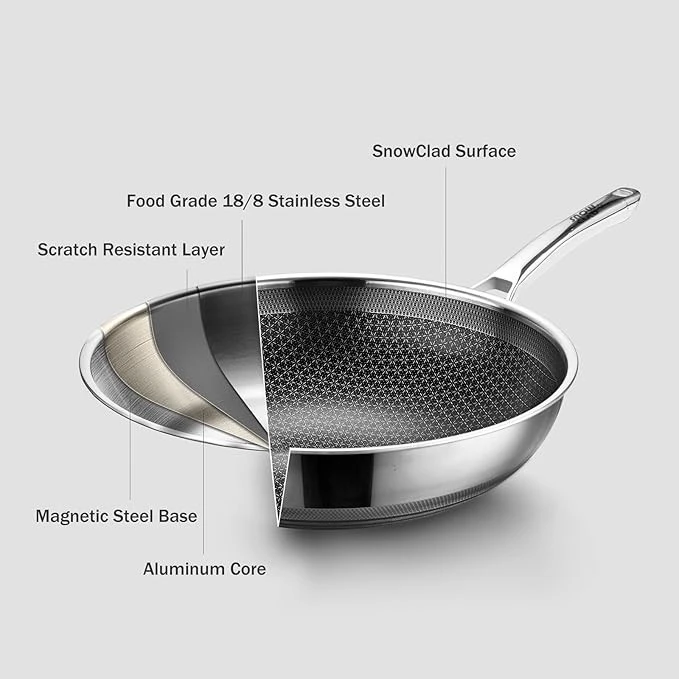
Steel is an excellent conductor of heat, which means that a steel wok flat bottom can distribute heat evenly across the cooking surface. This is important for stewing, as it ensures that the ingredients cook at a consistent temperature, preventing hot spots and ensuring that the stew is cooked evenly. -
Large Cooking Surface
A steel wok flat bottom typically has a large cooking surface, which allows you to cook a large quantity of stew at once. This is great for feeding a family or hosting a dinner party. Additionally, the large surface area provides plenty of room for browning meat and vegetables, which adds flavor to the stew. -
Durability
Steel is a durable material that can withstand high temperatures and heavy use. A steel wok flat bottom is built to last, making it a long-term investment for your kitchen. It can handle the rigors of daily cooking and is less likely to warp or damage compared to other types of cookware. -
Versatility
In addition to stewing, a steel wok flat bottom can be used for a variety of other cooking methods, such as stir-frying, sautéing, and deep-frying. This makes it a versatile piece of cookware that can replace multiple pots and pans in your kitchen.
Limitations of Using a Steel Wok Flat Bottom for Stews
-
Lack of Depth
Compared to traditional stew pots, a steel wok flat bottom may not have as much depth. This can be a limitation when making stews that require a large amount of liquid or when cooking ingredients that need to be fully submerged. However, you can still make delicious stews in a steel wok flat bottom by adjusting the recipe and the amount of liquid used.
-
Cleaning
Steel woks can be a bit more difficult to clean compared to non-stick cookware. The porous surface of the steel can absorb food particles and stains, making it necessary to scrub the wok thoroughly after each use. However, with proper care and maintenance, a steel wok can be kept in good condition for many years.
Tips for Making Stews in a Steel Wok Flat Bottom
-
Preheat the Wok
Before adding any ingredients to the wok, it's important to preheat it over medium-high heat. This helps to sear the meat and vegetables, locking in the flavors and preventing them from sticking to the wok. -
Use the Right Amount of Oil
When making stews in a steel wok flat bottom, it's important to use the right amount of oil. Too much oil can make the stew greasy, while too little oil can cause the ingredients to stick to the wok. A good rule of thumb is to use about 1-2 tablespoons of oil for every pound of meat or vegetables. -
Brown the Meat and Vegetables
Browning the meat and vegetables before adding them to the stew is an important step that adds flavor and depth to the dish. Heat the oil in the wok over medium-high heat and add the meat and vegetables in a single layer. Cook them until they are browned on all sides, then remove them from the wok and set them aside. -
Add the Liquid and Seasonings
Once the meat and vegetables are browned, add them back to the wok along with the liquid and seasonings. Bring the stew to a boil, then reduce the heat to low and simmer for the recommended amount of time. Stir the stew occasionally to prevent the ingredients from sticking to the bottom of the wok. -
Adjust the Seasonings
Taste the stew as it cooks and adjust the seasonings as needed. You may need to add more salt, pepper, or other seasonings to enhance the flavor of the stew.
Other Considerations
If you're looking for a non-stick option for making stews, you may want to consider our Non Stick Large Wok. This wok features a non-stick coating that makes it easy to cook and clean. Additionally, if you're short on space or looking for a smaller option, our Mini Stainless Steel Wok is a great choice.
Conclusion
In conclusion, a steel wok flat bottom can be used for making stews. It offers several advantages, including even heat distribution, a large cooking surface, durability, and versatility. While it may have some limitations, such as a lack of depth and difficulty cleaning, these can be overcome with proper care and technique. If you're in the market for a new piece of cookware that can handle a variety of cooking methods, including stewing, a steel wok flat bottom is a great option.
If you're interested in purchasing a steel wok flat bottom or any of our other products, please feel free to contact us for more information. We'd be happy to assist you with your purchase and answer any questions you may have.
References
- "Cookware Materials and Their Properties." The Spruce Eats.
- "How to Use a Wok." Martha Stewart.